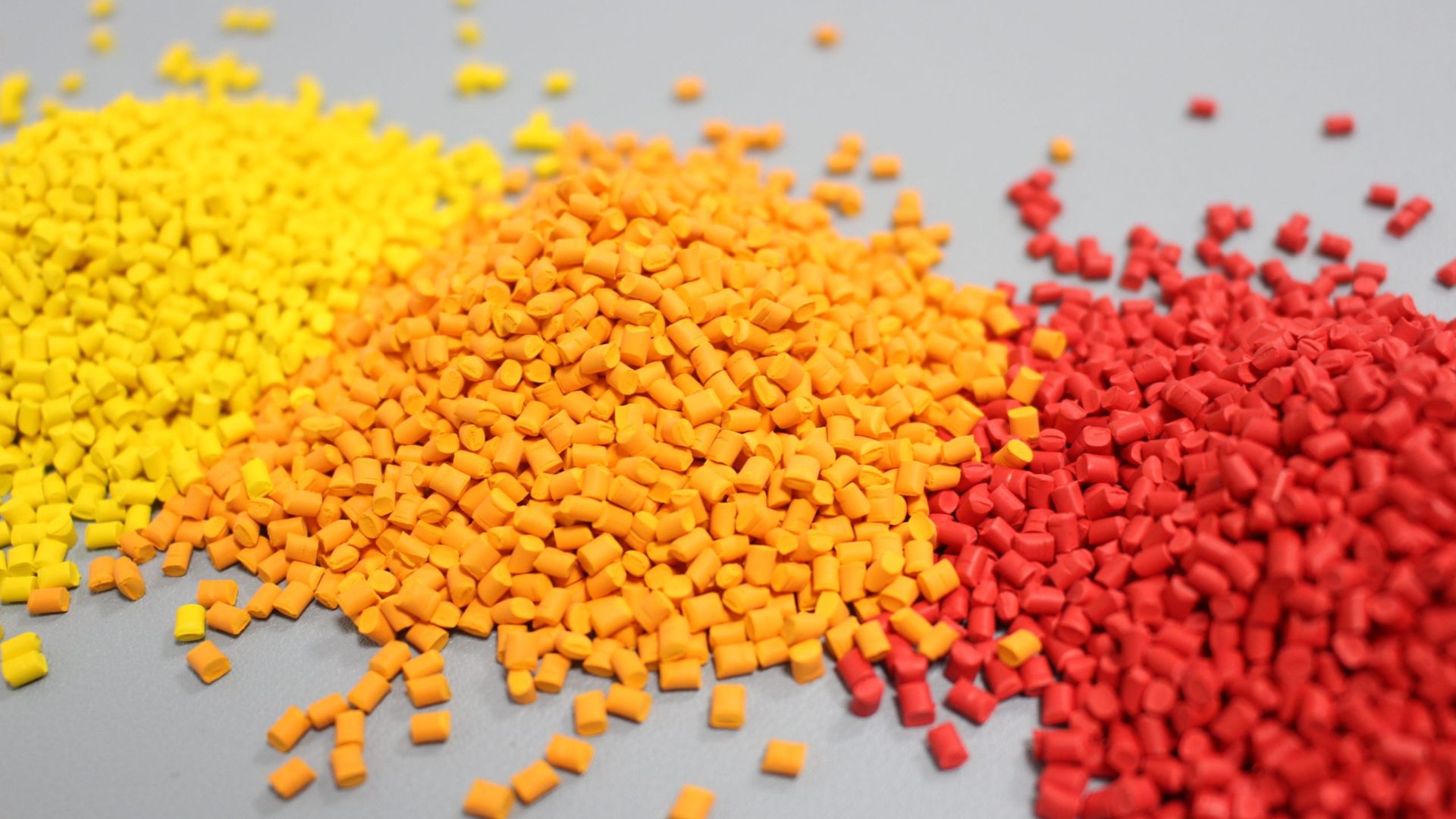
Black masterbatch is one of the most widely used color and functional additives in the plastics industry. Understanding the composition and application range is therefore essential for achieving consistent quality in plastic manufacturing. This blog by CVN PLASTICS provides insights to improve plastic quality and performance.
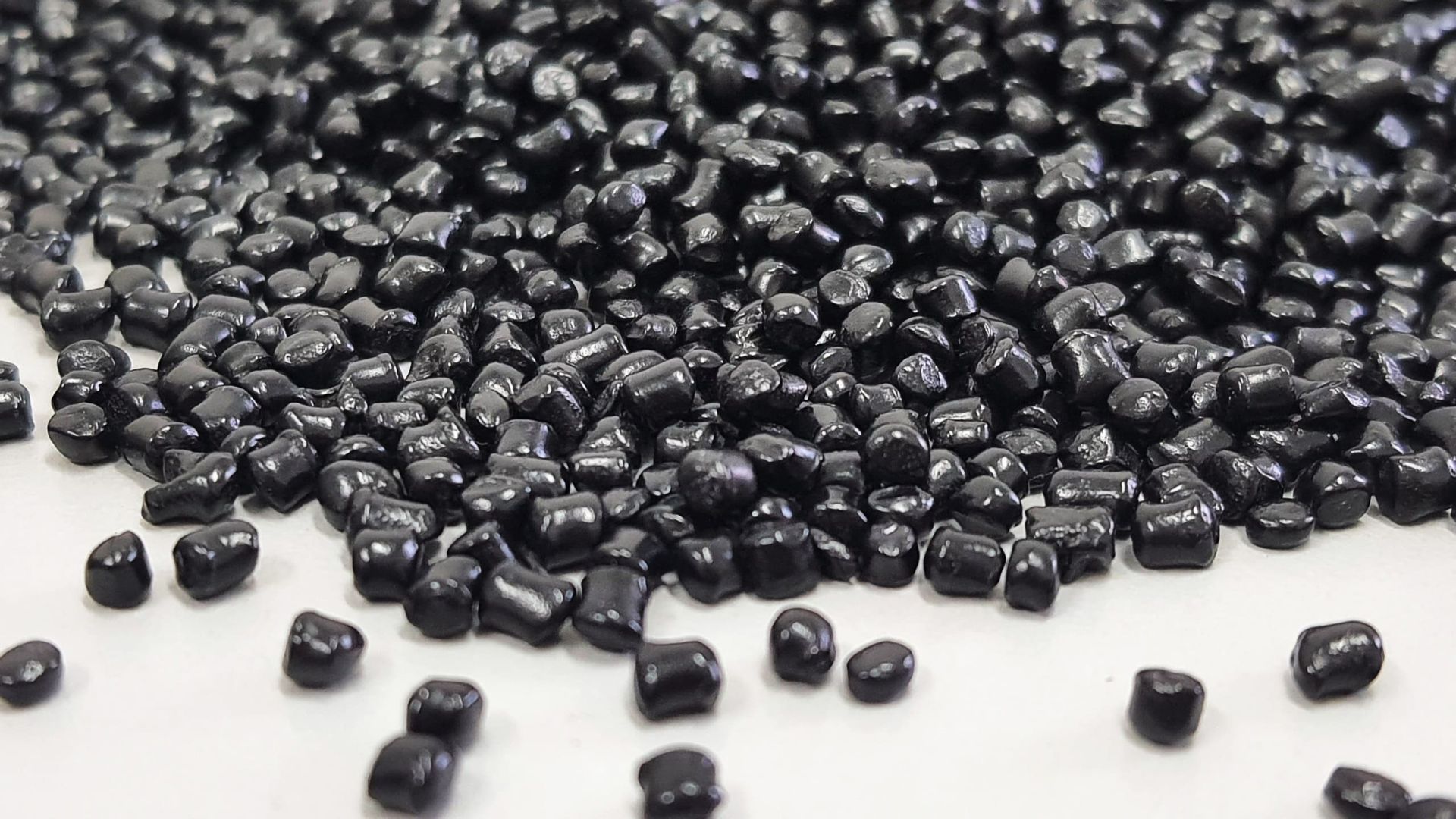
What Are Black Masterbatches?
Black masterbatches are highly concentrated blends of carbon black pigments and polymer resins. These blends are used in plastic compounds to provide a deep black color, increase UV resistance, and mechanical strength. They have extensive use in various industries for their property to enhance the durability and performance of products.
Black masterbatches are made compatible with numerous types of polymers, including polyethylene (PE), polypropylene (PP), polystyrene (PS), and polyethylene terephthalate (PET) to meet a wide scope of applications.
Key Technical Components Of Black Masterbatch
The performance of black masterbatch depends strongly on the quality and balance of its formulation. Carbon black is the most important component because it determines color strength, opacity, ultraviolet protection, tinting performance, and surface finish. Different carbon black grades vary in particle size, structure, surface area, purity, and dispersibility. Fine-particle carbon black generally provides stronger blackness and higher tinting strength, while certain grades are selected specifically for ultraviolet stabilization or conductivity.
The carrier resin is equally important because it determines how well the masterbatch blends with the base polymer. In polyethylene applications, polyethylene-based carriers are commonly preferred. In polypropylene products, polypropylene-based carriers are usually more suitable. If the carrier resin is not compatible with the base polymer, the final product may show poor dispersion, surface defects, weak mechanical performance, or inconsistent color. In technical applications, compatibility is not a minor detail but a key factor affecting product quality.
Additives may be used to support the processing and performance of the masterbatch. These can include dispersing agents, processing aids, antioxidants, ultraviolet stabilizers, lubricants, or other functional additives, depending on the application. For example, outdoor pipes, geomembranes, agricultural films, and roofing membranes may require stronger ultraviolet resistance and long-term weatherability. Packaging films may prioritize opacity, smooth processing, and uniform color. Electrical components may require heat resistance, insulation performance, and dimensional stability.
Dispersion quality is one of the most critical technical indicators of black masterbatch. Good dispersion means that carbon black particles are evenly distributed within the polymer matrix. Poor dispersion may cause black spots, streaks, weak points, rough surface texture, filter blockage, unstable extrusion, or reduced mechanical performance. In high-quality black masterbatch, carbon black is not simply mixed with resin; it must be properly wetted, distributed, and stabilized through controlled compounding technology.
Advantages of Black Masterbatch
Black masterbatch provides both aesthetic and functional advantages. Its most visible benefit is the ability to create a deep, uniform black shade with stable color performance across production batches. This is especially important for products where appearance directly affects market acceptance, such as automotive parts, electronic casings, household appliances, packaging components, furniture, and consumer goods.
Another major advantage is improved ultraviolet resistance. Carbon black is widely recognized for its ability to absorb and block ultraviolet radiation, which helps reduce polymer degradation caused by sunlight exposure. This is particularly important for outdoor applications such as pipes, irrigation systems, agricultural films, geomembranes, tarpaulins, roofing membranes, cable jackets, and construction materials. When properly formulated, black masterbatch can help extend product service life and reduce premature cracking, fading, brittleness, or surface degradation.
Black masterbatch also improves opacity and light-blocking performance. In packaging, this function can help protect contents from light exposure. In films and sheets, it supports better coverage and visual uniformity. In industrial products, it can hide recycled material variation or base polymer color differences, helping manufacturers maintain a consistent finished appearance.
From a processing perspective, masterbatch offers better cleanliness and ease of handling compared with loose pigment powder. It reduces dust, improves dosing accuracy, and supports more stable production. Because the pigment is pre-dispersed in a resin carrier, manufacturers can achieve better color consistency with controlled addition rates. This helps reduce production variation and supports quality management in continuous manufacturing environments.
Black masterbatch can also contribute to cost efficiency when used correctly. By improving color strength, opacity, processing stability, and production consistency, it can reduce waste, rework, and quality claims. However, cost efficiency should not be evaluated only by price per kilogram. A lower-cost masterbatch with poor dispersion or weak compatibility may create higher hidden costs through defects, downtime, or rejected finished goods.
Applications Across Key Industries
Automotive Industry
As you may not know, the automotive industry is the largest end-use industry for the black masterbatches market. Since plastic has gradually come into use in the automotive industry with a view to decreasing overall weight and cutting down on production cost, the demand for black masterbatch is growing rapidly.

Generally, black masterbatch is embedded into engineering compounds in order to create an attractive appearance for end-products. A compound is a specific material that is tailor-made to fit end-products’ requirements. Normally, this substance is applied in exterior applications such as vehicle bodies, bumpers, headlamp lenses, body side protection strips, window sealing profiles, and tires.
Not only does it deliver a high level of color permanence, but the black compound also contains various reinforcements and specific additives, which effectively preserve colors as well as prevent external factors from degrading your products’ surface. In other words, the addition of black masterbatch remarkably upholds your end-products’ performance and lengthens their service life.
Packaging Industry
In the packaging industry, materials are required to combine both visual appeal and functional performance, such as UV protection and mechanical strength. Black masterbatches are widely used to enhance these properties across various applications. In plastic bottles and containers, they provide a smooth black appearance while protecting the contents from light exposure.

For films and sheets, including agricultural films, industrial wraps, and shopping bags, black masterbatches improve opacity and UV resistance. They are also used in caps and closures to ensure a uniform deep black color, helping maintain a consistent product appearance. In food and beverage packaging, black masterbatches play an important role in preventing light exposure, preserving product quality, and extending shelf life.
Electrical and Electronics
Black masterbatches play a significant role in the electrical and electronics industry due to their excellent insulation properties and heat resistance.

In cable and wire insulation, they enhance durability and help prevent damage caused by heat and environmental factors. For electronic casings, black masterbatches provide a smooth, scratch-resistant finish that improves both aesthetics and product longevity. They are also used in connectors and switches to ensure stable performance under varying electrical loads. Additionally, in battery casings, black masterbatches contribute to improved structural strength and better resistance to temperature fluctuations.
Construction and Infrastructure
In construction and infrastructure applications, polymer materials must withstand harsh environmental conditions. Black masterbatches are used to improve the performance and durability of these materials. In pipes and fittings, they enhance strength and extend service life for water supply and drainage systems.
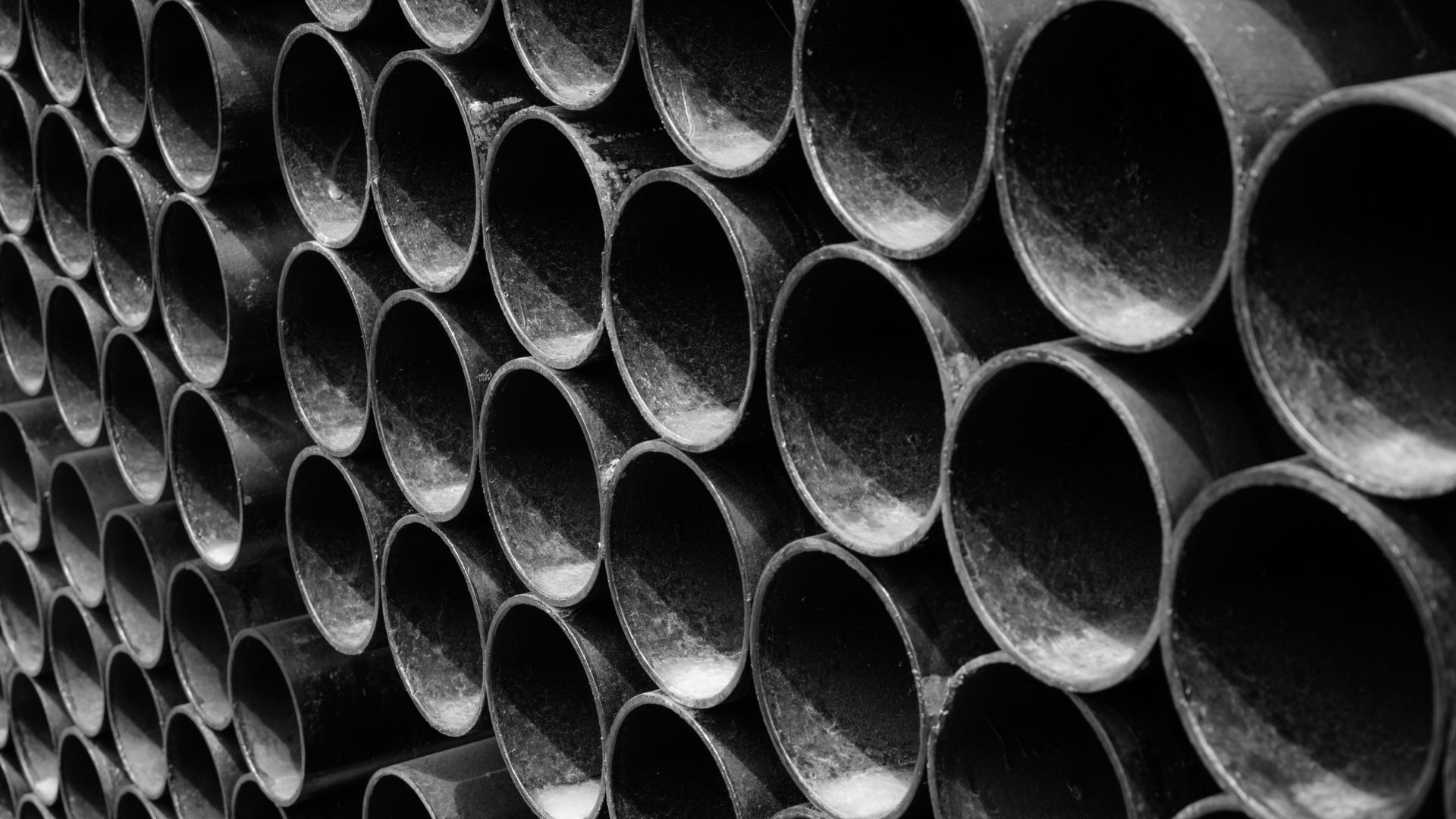
Roofing and waterproofing membranes benefit from improved UV protection, helping prevent degradation over time. In geosynthetics, such as geomembranes and geotextiles, black masterbatches support soil stabilization and erosion control. They are also applied in window and door profiles to ensure consistent color and increased weather resistance.
Agriculture and Horticulture
Black masterbatches are highly valuable in agriculture and horticulture due to their ability to block UV radiation and improve product durability.

In mulch films, they help suppress weed growth and regulate soil temperature, contributing to better crop productivity. Greenhouse films benefit from UV stabilization, protecting plants from excessive sunlight exposure. In drip irrigation pipes, black masterbatches ensure long-term durability even under harsh weather conditions. They are also used in shade nets and tarpaulins to protect crops and reduce direct sunlight exposure, creating more favorable growing environments.
Industrial Applications
In industrial applications, high-performance polymers must offer strength, durability, and resistance to environmental conditions. Black masterbatches contribute significantly to these properties. In plastic pallets and crates, they enhance durability for use in warehouses and logistics operations. Machine parts and equipment casings benefit from a tough structure and a professional black finish. Industrial containers are protected against wear and environmental damage, helping extend their service life. Additionally, black masterbatches are used in protective tubing and covers within manufacturing environments to provide extra strength and long-term reliability.
Conclusion
Black masterbatch plays an important role in modern plastic manufacturing by combining color performance with functional benefits such as ultraviolet resistance, opacity, durability, and processing efficiency. As plastic applications continue to expand across automotive, packaging, construction, agriculture, electronics, consumer goods, and industrial sectors, black masterbatch remains a practical and technically significant material. The best results come from matching the formulation to real production conditions and conducting proper trials before large-scale use. This approach helps manufacturers achieve stable quality, reliable performance, and better cost control in competitive plastic markets.