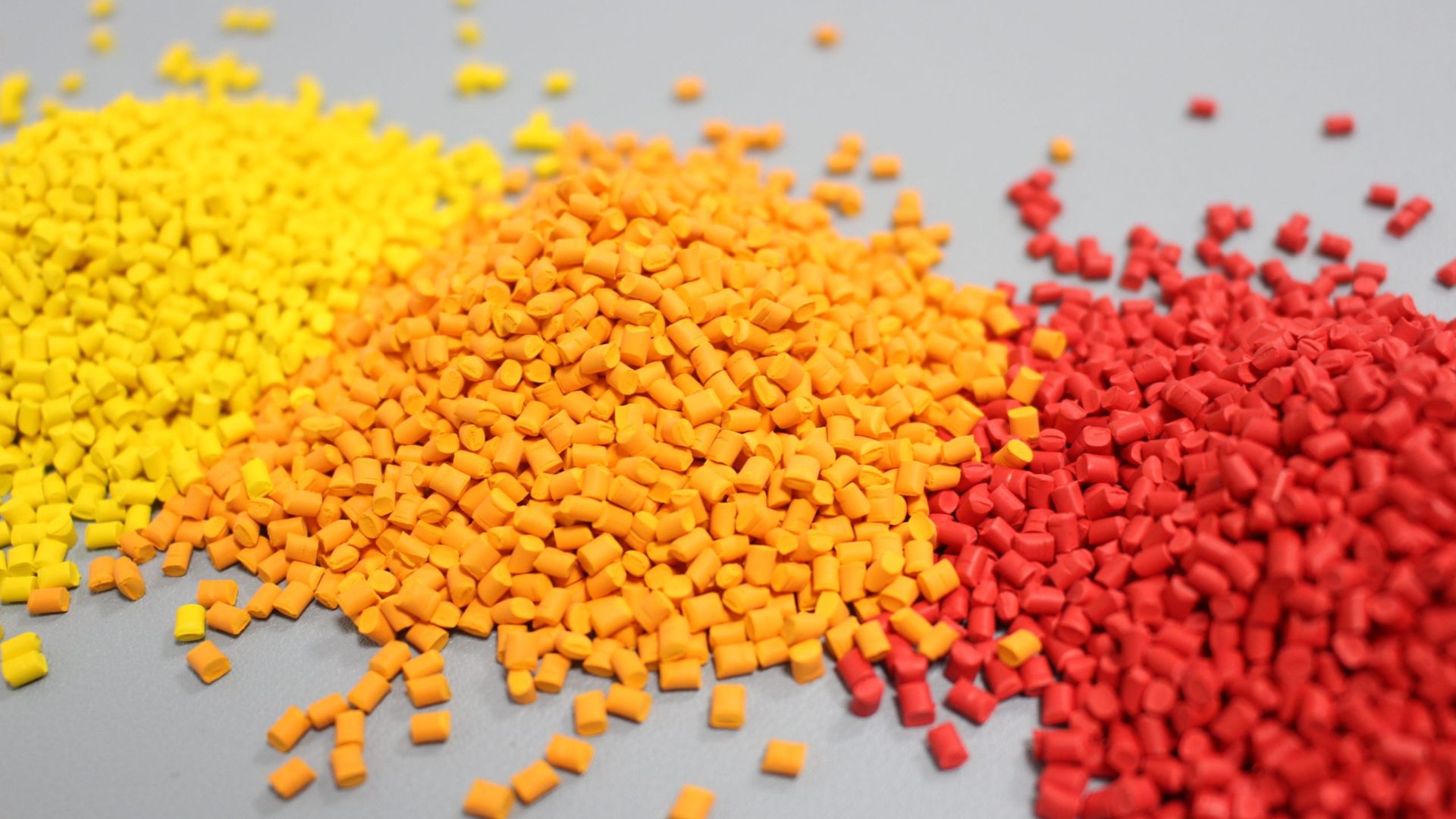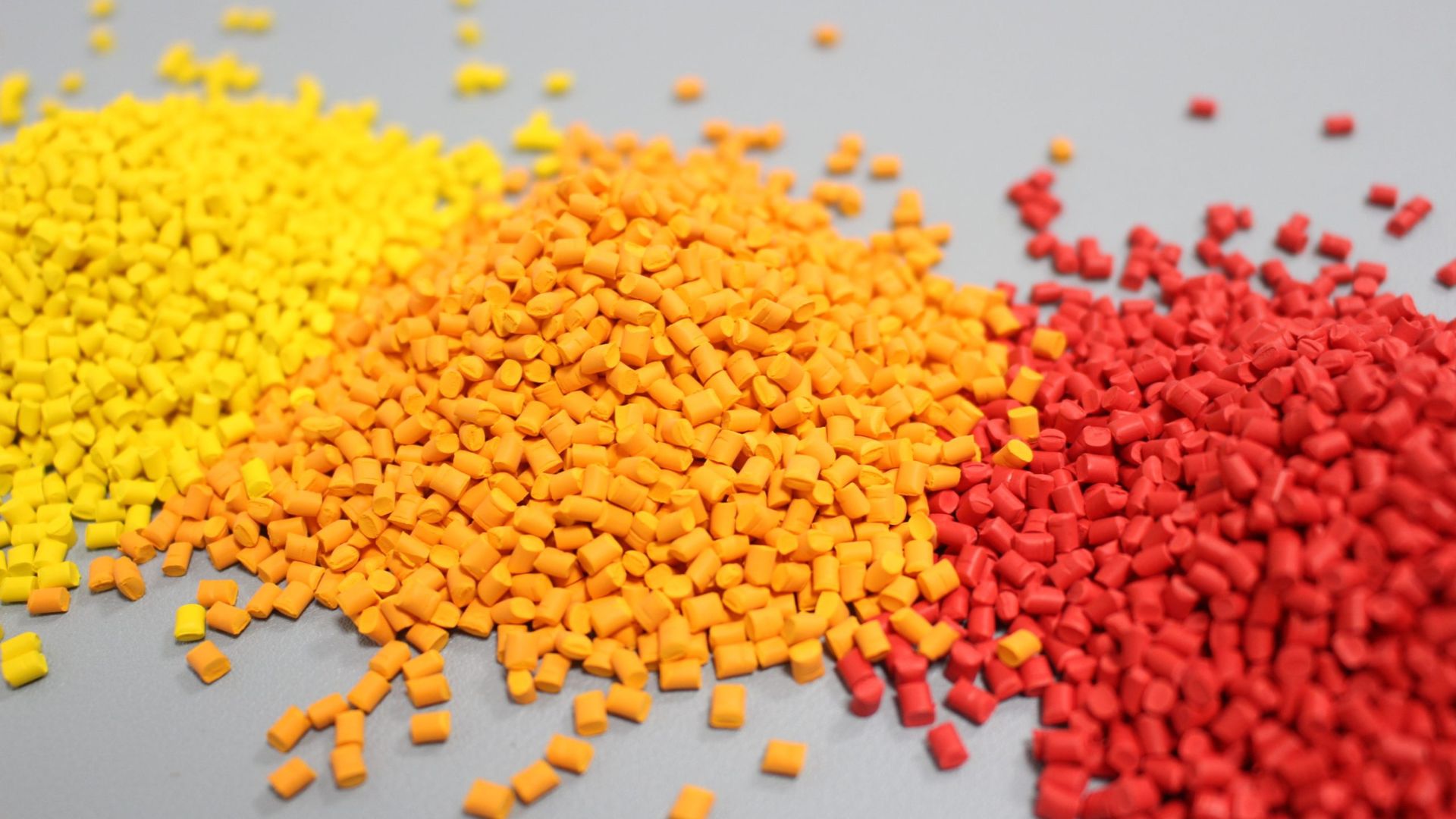
In masterbatch manufacturing, quality is usually not determined only at the final inspection stage. It is gradually built from raw material selection, formulation control, processing stability, and batch validation. Even small variations in melt flow index, moisture content, pigment dispersion, or dosing accuracy may affect downstream processing performance, depending on the application and the sensitivity of the final product.
For this reason, masterbatch quality control is best understood as a systematic process rather than a single testing step. A well-structured quality control process helps manufacturers monitor technical consistency, identify deviations earlier, and reduce the risk of unstable performance during customer processing.
This article by CVN PLASTICS discusses the key stages of the masterbatch quality control process, common testing parameters, and practical considerations that are often used in industrial production.
The Role Of Quality Control In Masterbatch Manufacturing
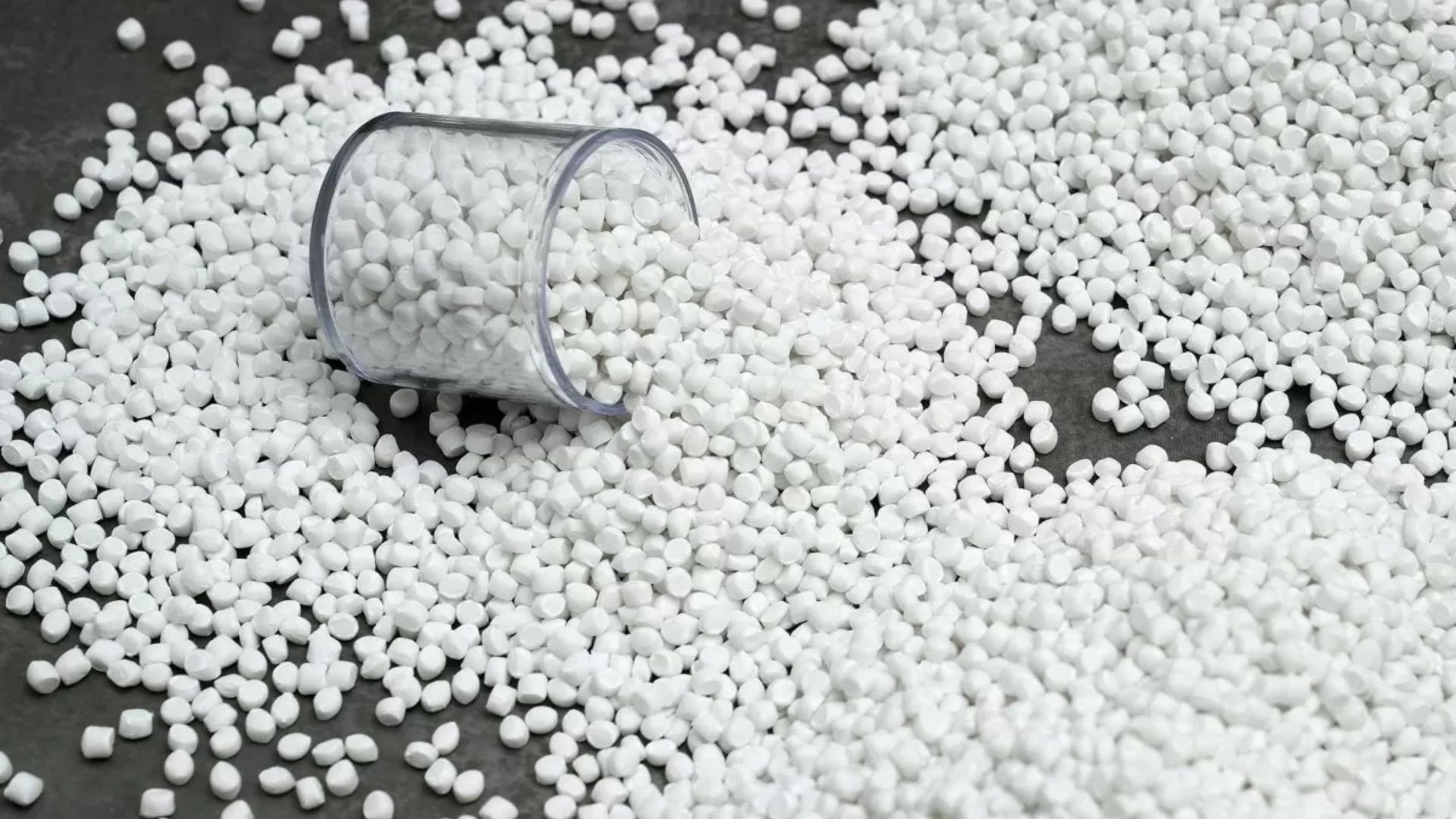
Masterbatch is commonly added to base resin at relatively low let-down ratios, often around 1-5%, although the exact dosage depends on the product type, processing method, and performance requirement. Because a small amount of masterbatch can influence the appearance, processing behavior, or functional properties of the final polymer compound, batch-to-batch consistency becomes an important technical concern.
For color masterbatch, color difference is usually evaluated through ΔE values based on the CIE Lab color space. In many applications, a ΔE value below or around 1.0 may be considered visually difficult to distinguish under standard lighting conditions. However, the acceptable tolerance can vary significantly depending on the final product, customer specification, lighting environment, and color sensitivity. For products requiring strict color matching, even a small color deviation may become noticeable.
MFI is another important parameter in masterbatch quality control. It provides an indication of how the material flows under defined temperature and load conditions. If the MFI of the masterbatch is not compatible with the base resin or the intended processing method, it may influence melt flow behavior during extrusion, injection molding, film blowing, or other processes. In some cases, this can contribute to unstable pressure, uneven flow, surface defects, or dimensional variation.
Therefore, masterbatch quality control should not be viewed only as laboratory compliance. It is closely related to processing stability, reproducibility, and the ability to maintain consistent performance across production batches.
The Masterbatch Quality Control Process Across Production Stages
An effective masterbatch quality control process usually follows an interconnected chain, starting from raw material inspection and continuing through formulation, extrusion, intermediate inspection, and final validation. Each stage provides different information about the stability of the batch.
Raw material inspection
The quality control process usually begins with incoming raw material inspection. Carrier resin, pigments, fillers, and additives should be checked against internal specifications before use.
For the carrier resin, MFI is commonly tested to confirm whether the material is suitable for the intended formulation. A resin with an MFI that differs significantly from the target range may affect processing behavior during compounding and final application. The acceptable deviation depends on the grade, production tolerance, and application requirement. In some production settings, a deviation range of around ±5–10% may be used as an internal reference, but this should not be treated as a universal rule.
Moisture content is another important factor in masterbatch quality control, especially when hygroscopic polymers such as PA, PET, or certain engineering plastics are used. Excessive moisture may cause hydrolysis, bubbles, surface defects, or reduced mechanical properties during high-temperature processing. For this reason, moisture testing before compounding is often necessary, particularly for moisture-sensitive materials.
For pigments and mineral fillers such as calcium carbonate, particle size distribution and surface treatment can affect dispersion quality. Oversized particles or inconsistent particle distribution may increase the risk of agglomeration, poor surface appearance, or higher equipment wear. In filler masterbatch, the quality of calcium carbonate, including particle size, whiteness, moisture, and coating consistency, can have a direct influence on final processing performance.
Formulation and dosing control
After raw materials meet the required specifications, the next stage in masterbatch quality control is formulation and dosing control. This stage is important because even small errors in pigment, filler, or additive dosage may change color, opacity, mechanical behavior, or processing stability.
In industrial production, gravimetric dosing systems are often used to improve weighing accuracy and reduce human error. However, equipment accuracy alone is not enough. Operators still need to monitor calibration, feeding stability, material flowability, and possible bridging or blockage in the feeding system.
For color masterbatch, dosing variation may lead to changes in ΔE values. For filler or additive masterbatch, incorrect dosing may affect filler content, density, surface quality, or functional performance. Therefore, formulation records should be linked to batch identification codes so that each production batch can be traced back to its raw material lots, formula version, and processing conditions.
This traceability is especially useful when technical feedback appears after shipment. Instead of reviewing the entire production system, manufacturers can narrow the investigation to a specific batch, formula, raw material lot, or production line. In this sense, masterbatch quality control is also a data management process, not only a laboratory testing activity.
Extrusion process control
Extrusion is one of the most critical stages in masterbatch quality control because it determines how well pigments, fillers, and additives are dispersed into the carrier resin. Twin-screw extruders are widely used because they generally provide better mixing and dispersion performance than simple single-screw systems, although the choice of equipment depends on product type and production requirements.
During extrusion, several process parameters should be monitored, including barrel temperature, screw speed, melt pressure, feed rate, vacuum condition, and cooling stability. These parameters are interrelated. For example, a higher screw speed may improve mixing in some cases, but it may also increase shear heat. A temperature profile that is too low may lead to incomplete melting or poor dispersion, while excessive temperature may increase the risk of polymer degradation or color change.
There is no single temperature or screw speed that works for all masterbatch products. The optimal setting depends on the carrier resin, pigment or filler type, additive package, target loading, and final application. This is why masterbatch quality control should be based on both technical data and production experience.
A stable extrusion process does not necessarily mean that every parameter remains completely unchanged. In practice, small fluctuations are common. The key point is whether those fluctuations remain within a controlled range and whether they affect the final performance of the batch.
Intermediate product inspection
Intermediate inspection can help detect potential problems before the full batch is completed. This step is not always identical across manufacturers, but it is useful in many masterbatch quality control systems, especially for color-sensitive or high-loading masterbatch products.
Before pelletizing, extruded strands or intermediate samples may be checked for visual appearance, dispersion quality, MFI, moisture, or color consistency. For color masterbatch, a quick color check against a reference sample can help identify early deviation. For filler masterbatch, visual inspection may reveal poor dispersion, black spots, contamination, or unstable strand formation.
Intermediate inspection is valuable because it gives the production team an opportunity to adjust the process before the entire batch becomes non-conforming. In many cases, early detection helps reduce material waste, downtime, and reprocessing costs.
However, intermediate inspection should not replace final testing. It is better understood as an additional control point within the whole quality control chain.
Final product inspection before shipment
After the masterbatch is cooled, pelletized, and stabilized, final product inspection is conducted to verify whether the batch meets defined technical requirements. This stage confirms the result of the previous masterbatch quality control steps.
MFI is commonly retested according to standardized methods such as ASTM D1238. MFI testing can help indicate whether the material maintains the expected flow behavior after compounding. If the result deviates beyond the internal control range, the batch may need further evaluation before release. The decision should depend on the degree of deviation, product type, application risk, and customer specification.
For color masterbatch, ΔE measurement using a spectrophotometer is often conducted based on the CIE Lab color system. The measured value is usually compared with an approved standard sample. However, ΔE should not be interpreted mechanically without considering the application. A tolerance that is acceptable for a general household product may not be suitable for automotive parts, brand packaging, or products manufactured across multiple facilities.
In addition to MFI and ΔE, manufacturers may also test density, moisture content, ash content, pigment or filler content, dispersion quality, and application performance. For some products, simulation testing with a reference base resin may provide more practical information than laboratory data alone. This is because a masterbatch may pass basic laboratory checks but still require further evaluation under real processing conditions.
Retention samples are also commonly kept for a defined period. These samples allow manufacturers to compare future feedback with the original batch condition. When combined with batch records and test reports, retention samples form an important part of traceability and technical accountability.
Common Testing Parameters In Masterbatch Quality Control

- The specific testing scope depends on the type of masterbatch. However, several parameters are commonly used in industrial masterbatch quality control.
- MFI is used to evaluate flow behavior and compatibility with processing conditions. It is particularly relevant for injection molding, extrusion, and film applications.
- Moisture content is important for materials that are sensitive to water absorption or hydrolysis. High moisture may affect surface appearance and mechanical performance.
- Color difference, usually measured as ΔE, is essential for color masterbatch. The acceptable range depends on the product and the customer’s requirements.
- Dispersion quality reflects how uniformly pigments, fillers, or additives are distributed within the carrier resin. Poor dispersion may cause specks, streaks, weak points, or unstable appearance.
- Density can be used as an indirect indicator of formulation consistency, especially for filler masterbatch or highly loaded compounds.
- Ash content or filler content testing may be used to verify whether the inorganic content matches the formulation target.
Application testing can provide practical insight into how the masterbatch behaves when blended with base resin under processing conditions similar to actual production.
International Standards And Internal Specifications
A reliable masterbatch quality control system usually combines international testing standards with internal specifications. Standards such as ASTM D1238 for MFI, ASTM D792 for density, and ISO-based color measurement methods provide standardized procedures for testing. These methods help improve data consistency and make results more comparable between laboratories, suppliers, and customers.
However, standards alone do not define whether a product is suitable for every application. They only describe how a property should be tested. The acceptance criteria should still be determined based on product design, processing method, customer requirements, and application risk.
For this reason, internal specifications are important. A manufacturer may define control limits for MFI, moisture, ΔE, density, ash content, or dispersion quality according to each product grade. These internal limits should be realistic, measurable, and based on historical production data where possible. A good masterbatch quality control system should not rely only on final pass-or-fail results. It should also monitor process trends and identify when a parameter starts to drift toward the control boundary.
Practical Issues Caused By Poor Quality Control
When masterbatch quality control is insufficient, the impact may appear in different forms during downstream processing.
- For color masterbatch, unstable pigment dispersion or dosing variation may lead to visible color differences, streaks, uneven shade, or a mismatch between production batches.
- For filler masterbatch, inconsistent filler content or poor dispersion may affect surface smoothness, mechanical properties, density, and processing stability.
- For additive masterbatch, incorrect concentration or poor distribution may reduce the expected functional effect, such as UV resistance, slip performance, anti-blocking behavior, or flame-retardant performance.
- For moisture-sensitive materials, excessive moisture may lead to bubbles, silver streaks, polymer degradation, or reduced mechanical strength.
- For MFI variation, the processing behavior may change. In some cases, this can influence injection pressure, extrusion output, cycle time, melt stability, or dimensional consistency.
These problems do not always occur in the same way. Their severity depends on the application, processing equipment, base resin, masterbatch dosage, and product tolerance. This is why quality control should be connected with real processing feedback, not only laboratory testing.
Conclusion
The masterbatch quality control process can be understood as a chain of connected control points: raw material inspection, formulation and dosing control, extrusion monitoring, intermediate inspection, final product validation, and batch traceability.
Each stage provides different information. Raw material testing helps reduce input variation. Dosing control supports formulation accuracy. Extrusion monitoring helps maintain processing stability. Intermediate inspection allows earlier detection of deviation. Final testing confirms whether the finished batch meets defined technical requirements. Traceability supports later investigation when necessary.
In practice, masterbatch quality control is not about claiming that every risk can be fully eliminated. It is about reducing variation, improving repeatability, and creating enough technical evidence to understand and manage production quality in a controlled way.
FAQs
1. What MFI deviation is acceptable in masterbatch quality control?
There is no universal MFI tolerance for all masterbatch products. In some industrial settings, a range of around ±5% from the target value may be used as an internal reference. However, high-precision applications may require tighter limits, while general-purpose products may allow wider tolerance. The acceptable range should be based on product type, processing method, and customer specification.
2. What ΔE level is considered acceptable for color masterbatch?
In many cases, ΔE ≤ 1.0 is considered difficult to distinguish visually under standard lighting conditions. However, this should not be treated as an absolute rule. Some applications may require stricter color tolerance, while others may accept a wider range. Lighting condition, surface texture, material opacity, and end-use requirement can all influence color perception.
3. Why is intermediate inspection useful?
Intermediate inspection helps identify potential deviations before the full batch is completed. It can reduce the risk of large-scale rejection and gives the production team an opportunity to adjust processing conditions earlier. However, it should be used together with final product testing, not as a replacement.
4. Why is traceability important in masterbatch quality control?
Traceability allows a manufacturer to connect each batch with its raw materials, formula, production conditions, test results, and retention samples. When a technical issue appears later, traceability helps narrow the investigation and supports more accurate root cause analysis.
5. Can laboratory test results fully predict processing performance?
Laboratory testing provides important technical information, but it may not fully represent every real production condition. Processing performance can also be influenced by base resin, machine type, temperature profile, screw design, dosage ratio, and product design. For this reason, application testing is often useful, especially for products with strict performance requirements.