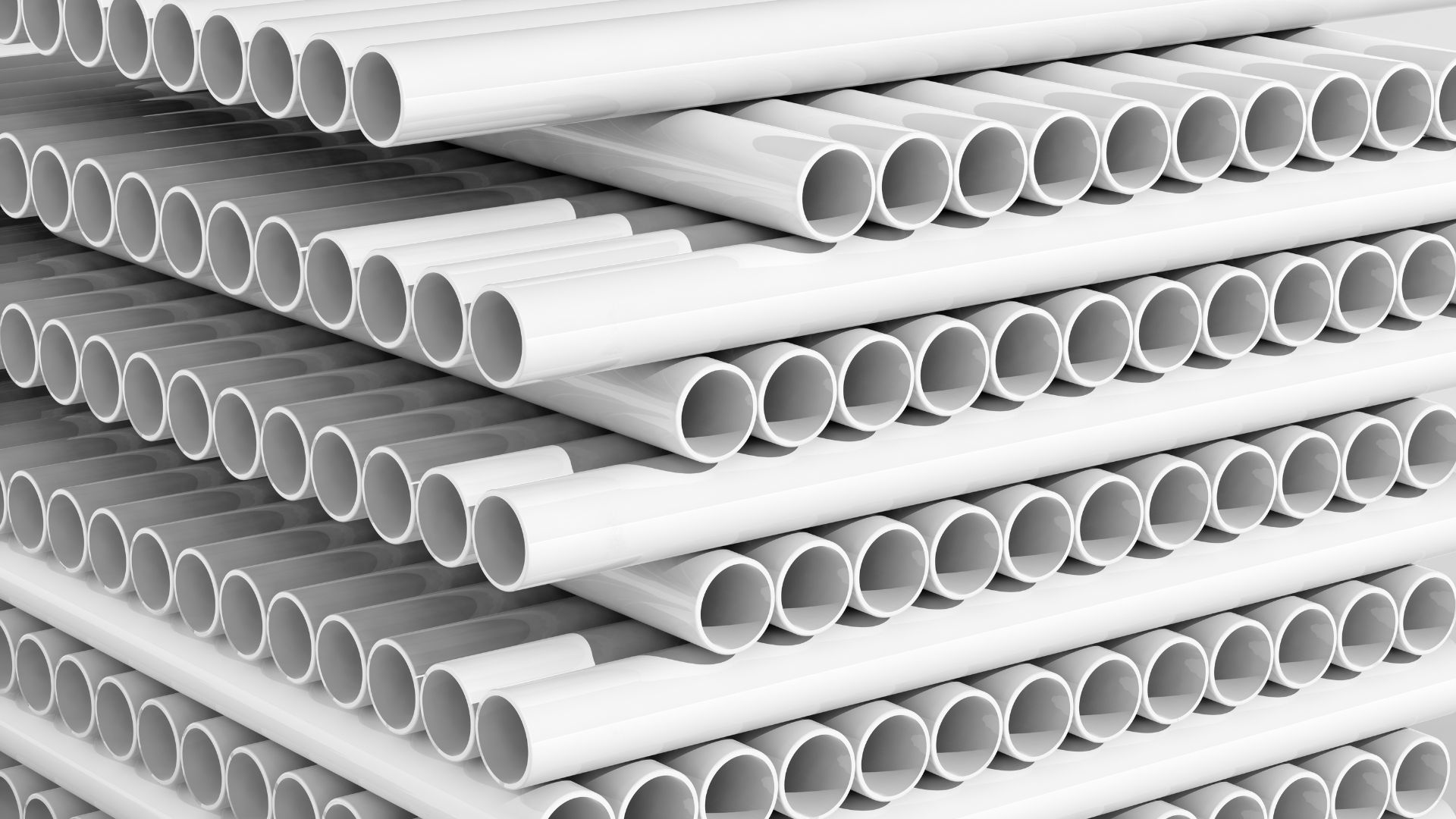
Modern pipe systems require precise control of materials and additives. Masterbatch in pipe production provides a structured approach to achieving durability, consistency, and cost efficiency. Read the full article by CVN PLASTICS to explore detailed insights into masterbatch in pipe production.
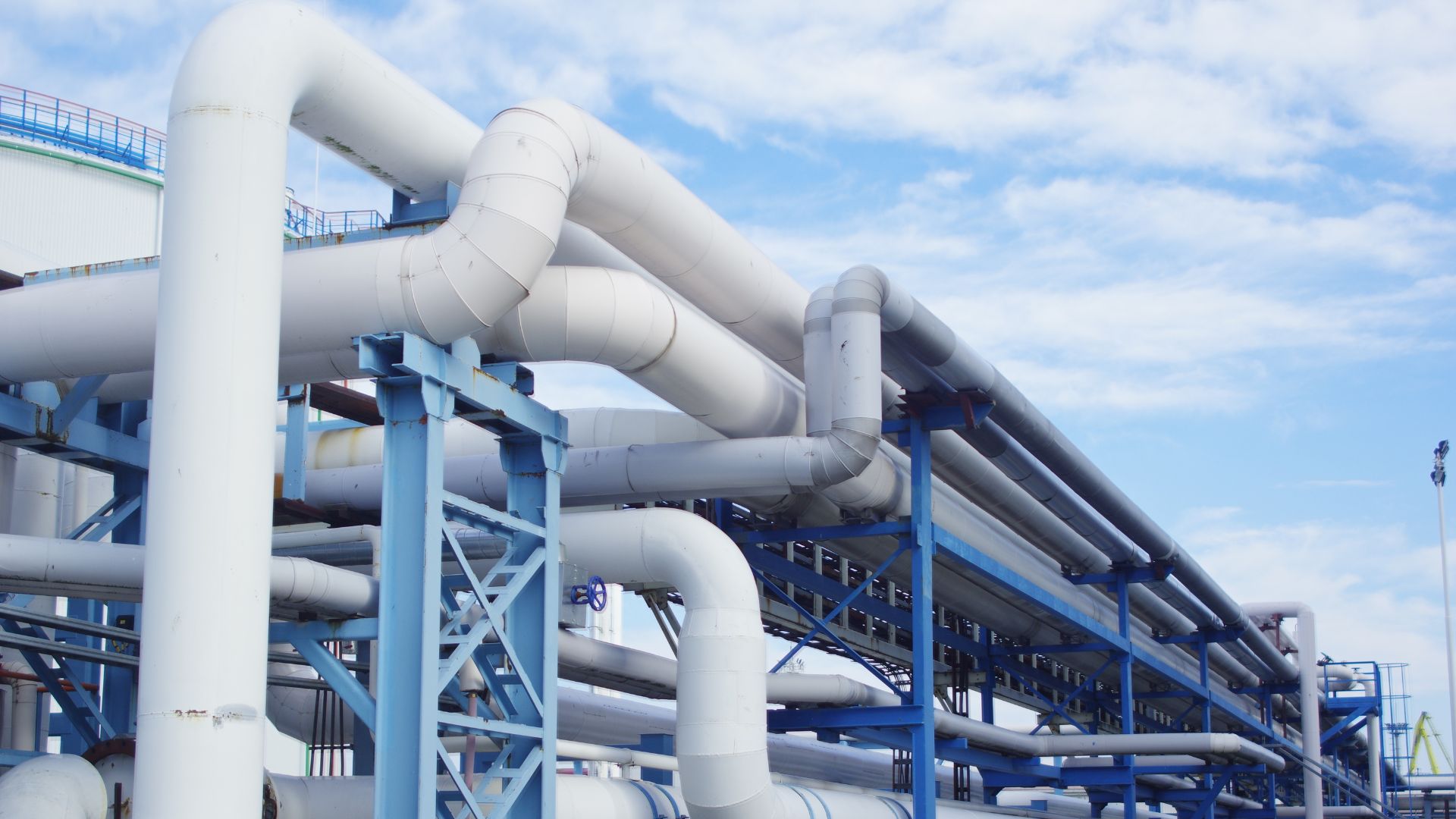
Definition And Composition Of Masterbatch
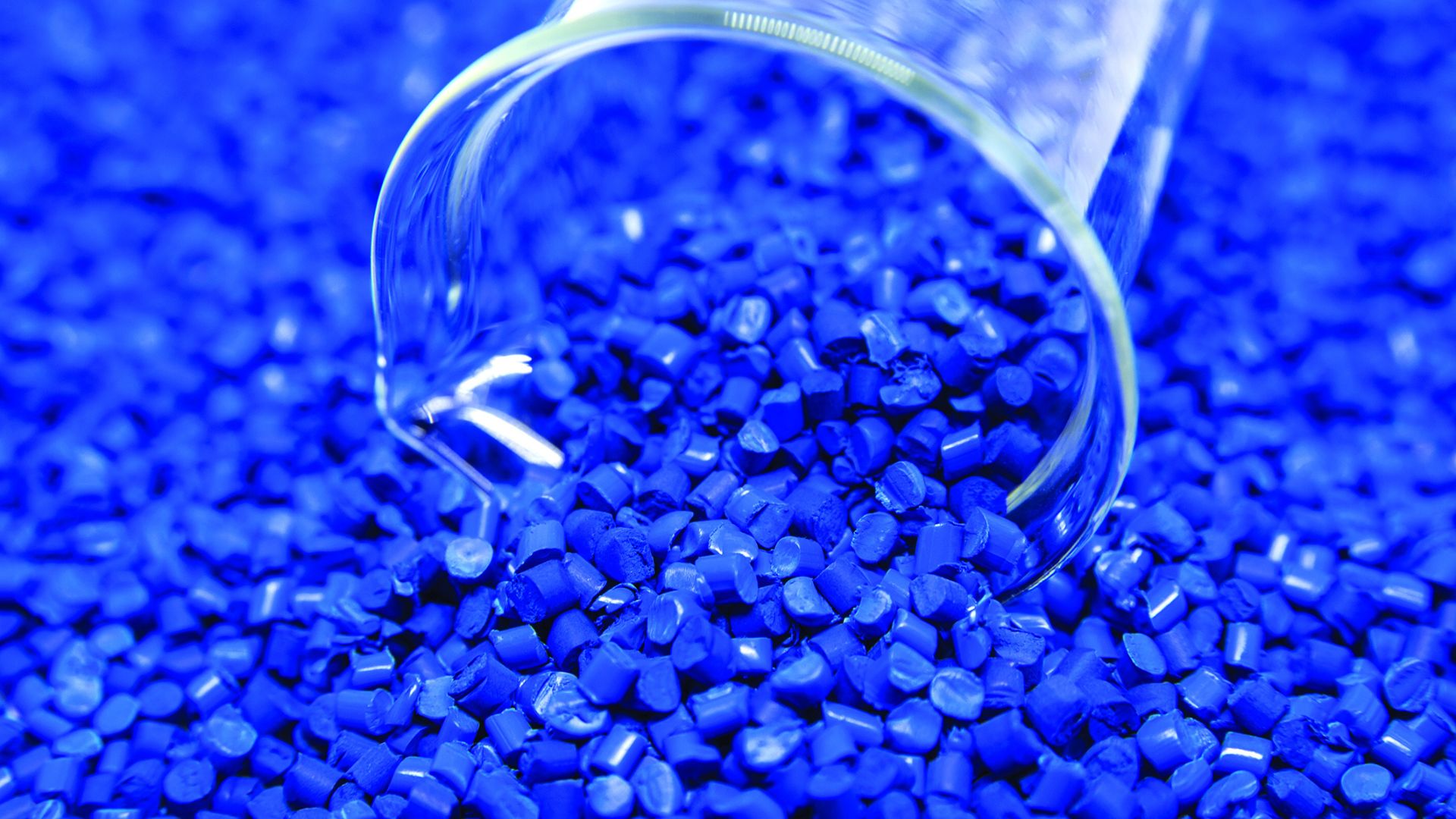
Masterbatch in pipe production refers to a concentrated mixture of pigments, additives, or mineral fillers dispersed within a polymer carrier resin. This carrier is typically compatible with the base polymer used in pipe extrusion, such as polyethylene, polypropylene, or polyvinyl chloride. The formulation process ensures that the active components are uniformly distributed at a high concentration. During processing, the masterbatch is diluted into the base resin at a controlled ratio, allowing precise adjustment of final properties. The use of masterbatch in pipe production enables consistent incorporation of functional components without handling multiple raw additives separately.
Why Masterbatch Is Essential In Pipe Manufacturing
Masterbatch plays a critical role in ensuring both performance and process stability. Direct addition of pigments or additives in powder form often leads to uneven dispersion and process variability. In contrast, pre-dispersed systems provide reliable dosing and improved homogeneity. This is particularly important in pipe extrusion, where dimensional stability and long-term durability are required.
Common Polymers Used In Pipe Production
The selection of polymer matrices influences the design of masterbatch in pipe production. High-density polyethylene is widely used for pressure pipes due to its toughness and resistance to crack propagation. Polyvinyl chloride is commonly used in construction and drainage systems, where rigidity and cost efficiency are important. Polypropylene is selected for applications requiring higher temperature resistance and chemical stability. Each polymer requires a compatible carrier system in the masterbatch to ensure effective dispersion and interfacial adhesion during processing.
Types Of Masterbatch Used In Pipe Production
Color Masterbatch (Carbon Black and Pigments)
Color masterbatch in pipe production is primarily used to achieve uniform coloration and functional performance. Carbon black is the most common pigment in PP pipe. It provides both black coloration and effective protection against ultraviolet radiation. In PVC and PP pipes, a broader range of pigments is used to meet identification and aesthetic requirements. The dispersion quality of pigments directly affects the visual consistency and mechanical integrity of the final product.
Additive Masterbatch (UV Stabilizers, Antioxidants, Processing Aids)
Additive masterbatch is designed to enhance durability and processing behavior. Ultraviolet stabilizers protect polymer chains from degradation under sunlight exposure. Antioxidants inhibit thermal oxidation during extrusion and long-term service. Processing aids improve melt flow characteristics and reduce friction within the extrusion system. The integration of these additives in a masterbatch format ensures uniform distribution and controlled release during processing.
Filler Masterbatch (Calcium Carbonate-Based Solutions)
Filler masterbatch in pipe production typically contains Calcium carbonate dispersed in a polymer carrier. It is widely used in non-pressure pipe applications to reduce material cost and improve stiffness. The particle size and surface treatment of Calcium carbonate influence the mechanical performance of the pipe. Excessive filler loading can reduce impact resistance and elongation at break. Therefore, the formulation of filler masterbatch in pipe production requires careful optimization to balance cost and performance.
Key Benefits Of Using Masterbatch In Pipe Production
Cost reduction in raw materials
Filler masterbatch in pipe production, typically based on calcium carbonate or other mineral fillers, allows partial replacement of virgin resin with lower-cost materials. This approach can reduce raw material costs by approximately 10-30%, depending on the formulation and loading level. When properly designed, the system maintains essential mechanical and functional properties required for many pipe applications.
Improved production efficiency
Masterbatch in pipe production supports more uniform mixing and dispersion compared to the direct use of pigments or raw additives. This reduces material loss, shortens trial and adjustment time, and minimizes waste during processing. In extrusion, improved melt homogeneity contributes to higher and more stable output rates. These advantages are particularly relevant in continuous, high-volume pipe manufacturing operations.
Enhanced mechanical and thermal performance
The use of masterbatch in pipe production contributes to improved mechanical properties when properly formulated. Additives such as antioxidants and stabilizers preserve polymer integrity under thermal and environmental stress. This results in longer service life and reduced risk of failure in demanding applications.
Cost optimization and material efficiency
Masterbatch in pipe production allows efficient use of functional additives at controlled dosages. Filler systems can reduce the overall cost of raw materials in suitable applications. At the same time, improved dispersion minimizes material waste and reduces the need for reprocessing.
Better processability and production stability
Processing stability is a key advantage of masterbatch in pipe production. Pre-dispersed additives improve melt homogeneity and reduce fluctuations during extrusion. This leads to stable output rates and consistent pipe dimensions. Reduced equipment wear and lower rejection rates further support efficient production.
Applications Of Masterbatch In Different Types Of Pipes
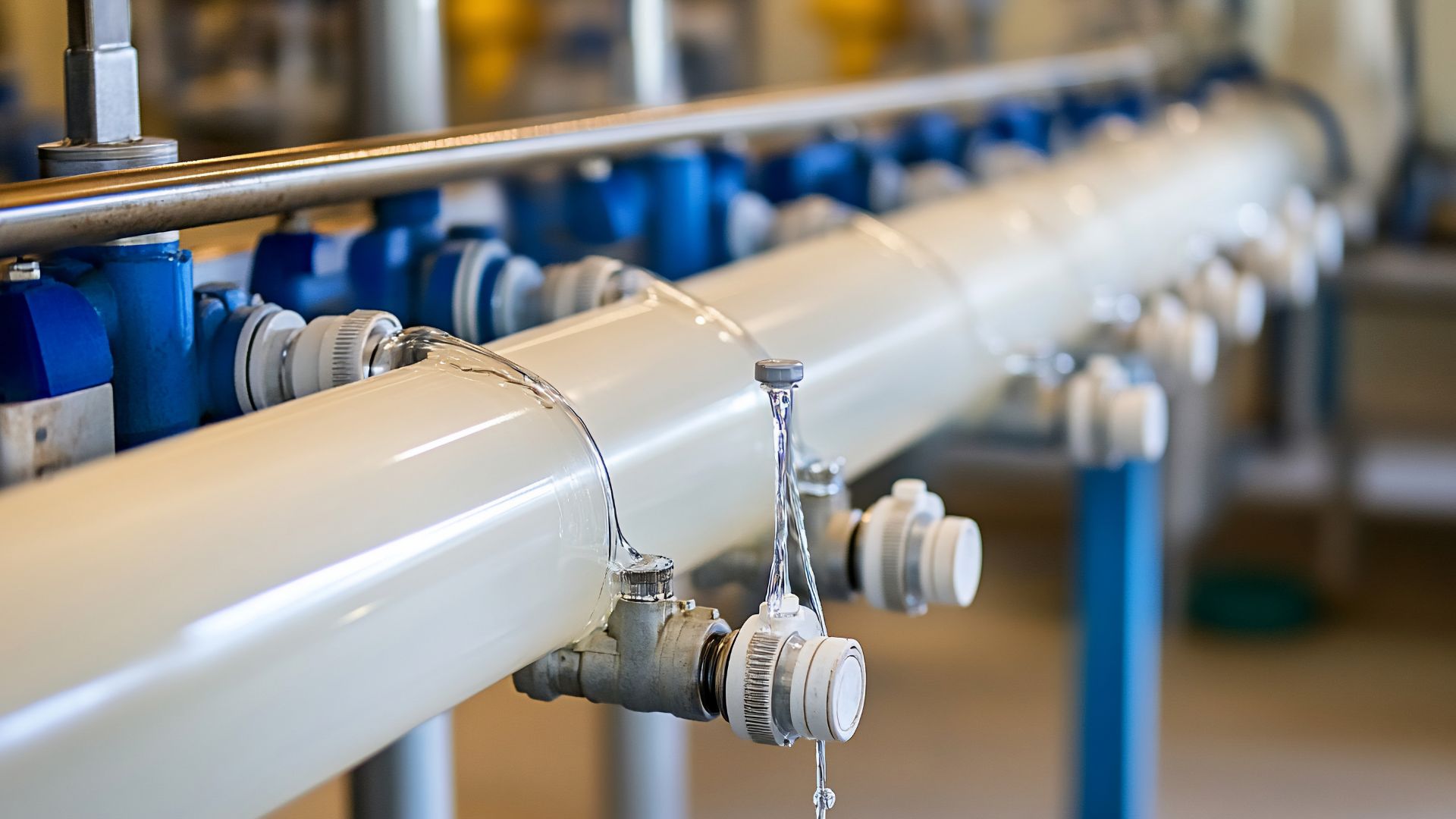
HDPE pipe production (Water and Gas Systems)
Masterbatch in pipe production for HDPE systems is critical in applications involving water and gas transport. Carbon black masterbatch is widely used to provide ultraviolet resistance and long-term durability. Additive masterbatch systems are also applied to enhance resistance to thermal aging and environmental stress cracking.
PVC pipe manufacturing
In PVC pipe systems, masterbatch in pipe production is used for coloration, stabilization, and cost optimization. Pigment masterbatch provides a consistent color for identification purposes. Filler masterbatch is commonly incorporated in non-pressure pipes to improve stiffness and reduce formulation cost.
PP pipe applications
PP pipe systems require masterbatch in pipe production to achieve specific performance characteristics. Additives improve resistance to heat and chemical exposure. Color masterbatch ensures uniform appearance in applications such as plumbing and industrial piping.
Use in pressure vs non-pressure pipes
The role of masterbatch in pipe production varies between pressure and non-pressure applications. Pressure pipes demand high mechanical strength and long-term reliability. In such systems, additive masterbatch is prioritized, while filler content is carefully controlled. Non-pressure pipes allow higher filler loading, which supports cost reduction while maintaining acceptable performance levels.
How To Choose The Right Masterbatch For Pipe Production
Compatibility with base resin
Compatibility is a fundamental factor in selecting masterbatch in pipe production. The carrier resin must match or be compatible with the base polymer to ensure proper dispersion. Incompatible systems can lead to phase separation and reduced mechanical performance.
Dispersion quality and processing behavior
High dispersion quality is essential for the effective performance of masterbatch in pipe production. Poor dispersion can create defects and reduce structural integrity. Processing behavior should also be evaluated, including melt flow characteristics and thermal stability.
Regulatory and performance requirements
Masterbatch in pipe production must meet regulatory standards for specific applications. Drinking water systems require compliance with health and safety regulations. Gas pipes demand strict performance criteria related to strength and durability. The selection process should consider these requirements in detail.
Balancing cost and performance
An optimal balance between cost and performance is necessary in masterbatch for pipe production. Excessive use of additives can increase cost without significant performance gains. Insufficient additive content may compromise durability. Careful formulation and testing are required to achieve the desired balance.
Challenges And Considerations In Using Masterbatch
Impact of filler content on mechanical properties
Filler masterbatch in pipe production can influence mechanical properties significantly. High filler content increases stiffness but reduces impact resistance. The effect depends on filler type, particle size, and dispersion quality.
Risks of poor dispersion
Poor dispersion in the masterbatch in pipe production leads to localized defects and inconsistent properties. This can result in reduced strength and increased failure risk. Proper compounding and processing conditions are essential to avoid these issues.
Long-term durability and weather resistance
Durability is a critical consideration in masterbatch for pipe production. Pipes exposed to outdoor environments require effective stabilization against ultraviolet radiation and oxidation. The selection of appropriate additive systems is essential for long-term performance.
Processing issues in extrusion
Processing challenges may arise in masterbatch in pipe production if formulations are not optimized. Issues such as die build-up, flow instability, and surface defects can occur. These problems are often related to additive compatibility and thermal stability.
Future Trends Of Masterbatch In Pipe Production
Conclusion
Masterbatch in pipe production is a key component in modern pipe manufacturing. It supports consistent quality, enhances performance, and enables efficient processing. The selection and formulation of masterbatch systems require a detailed understanding of materials, processing conditions, and application requirements. Continued innovation in this field will further improve the reliability and sustainability of pipe systems across various industries.