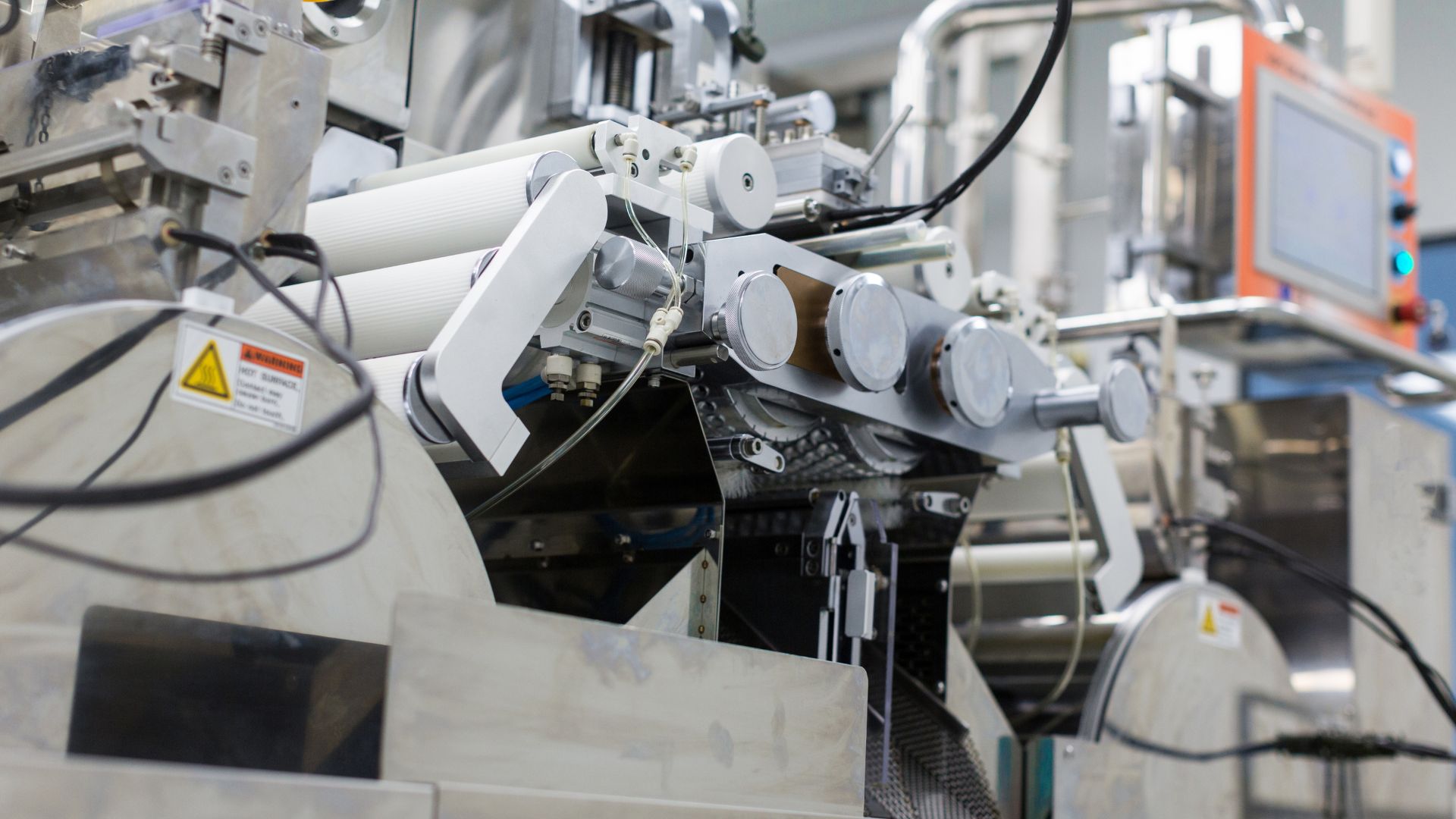
In modern polymer processing, the use of masterbatch in injection molding has become popular for achieving consistent product quality, controlled functionality, and efficient production. Instead of handling multiple raw additives separately, processors can rely on pre-compounded systems that ensure consistent dosing and homogeneous distribution. This reduces variability and enhances reproducibility across production batches. Explore more in the full blog from CVN PLASTICS.
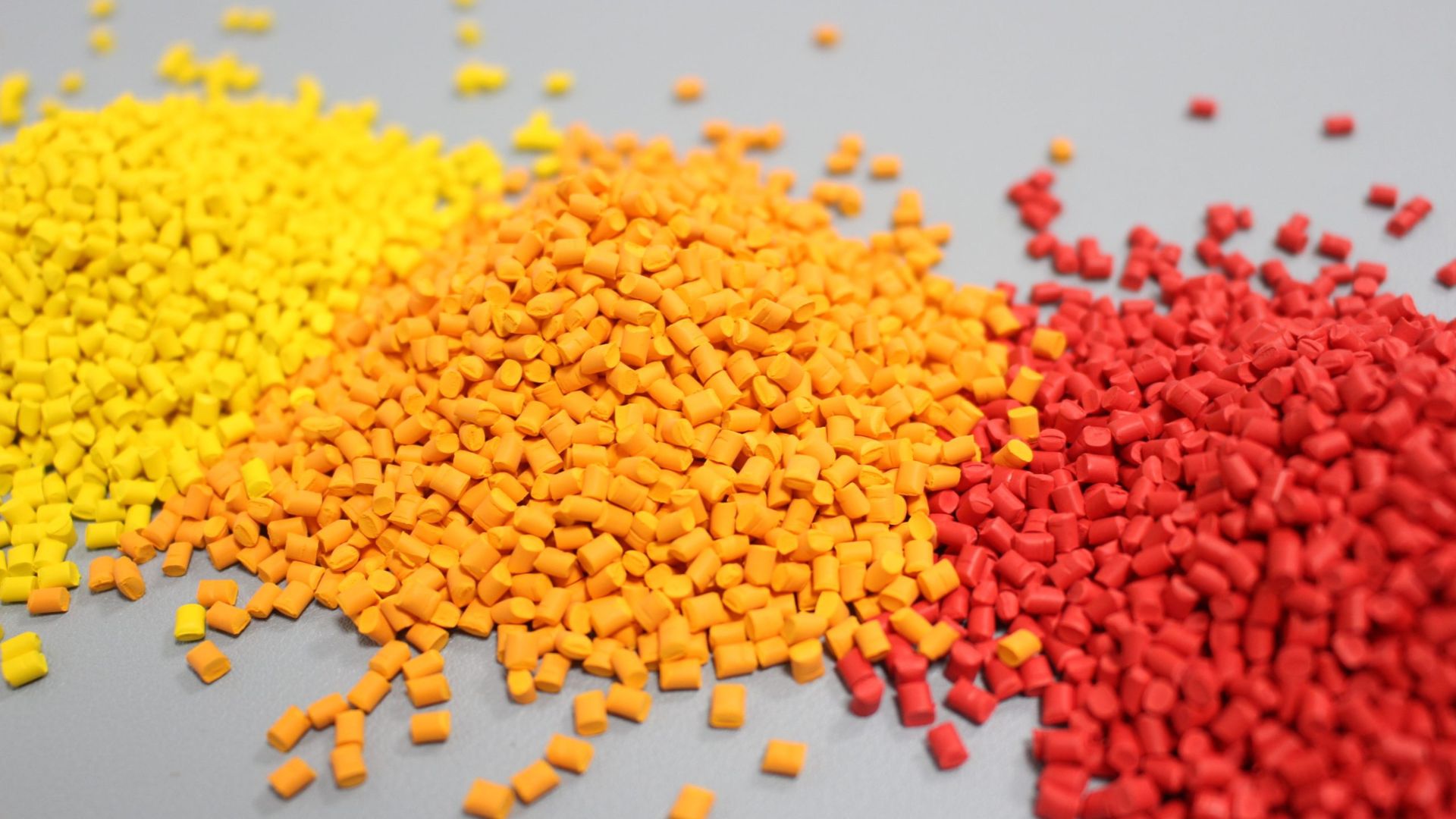
What Is Masterbatch?
Masterbatch refers to a concentrated mixture of pigments, additives, or other functional materials dispersed in a carrier resin. It is designed to be easily incorporated into the base polymer during the injection moulding process. The masterbatch, when mixed with the base resin, impacts specific properties, colour, or functionality of the final injection moulded product.
Types Of Masterbatch Used In Injection Molding
The classification of masterbatch in injection molding is typically based on functionality. The three primary categories include filler masterbatch, color masterbatch, and additive masterbatch, each serving distinct purposes in polymer modification.
Filler Masterbatch
Filler masterbatch is one of the most widely used types of masterbatch in injection molding, particularly in cost-sensitive and high-volume applications. It consists of inorganic fillers such as calcium carbonate (CaCO₃), talc, or barium sulfate dispersed in a polymer carrier.
The primary function of filler masterbatch in injection molding is to partially replace expensive base resin, thereby reducing material costs. Beyond cost efficiency, filler masterbatch also influences mechanical properties. It can increase stiffness, improve dimensional stability, and enhance heat resistance. However, excessive filler loading may reduce impact strength and elongation at break, requiring careful optimization.
Color Masterbatch
Color masterbatch is specifically designed to provide uniform and consistent coloration in plastic products. In the context of masterbatch in injection molding, it ensures precise color matching and eliminates issues associated with pigment dispersion.
The formulation of color masterbatch includes high-quality pigments, a compatible carrier resin, and dispersion aids. This enables the production of visually consistent parts with minimal color variation between batches. In industries such as packaging and consumer goods, where aesthetics play a significant role, the use of masterbatch in injection molding for coloration is indispensable.
Additionally, color masterbatch improves process cleanliness by reducing dust and contamination compared to raw pigments, contributing to a more controlled manufacturing environment.
Additive Masterbatch
Additive masterbatch represents a versatile category of masterbatch in injection molding that introduces functional properties into plastic materials. These masterbatches contain additives such as UV stabilizers, flame retardants, antistatic agents, antioxidants, and slip agents.
The incorporation of additive masterbatch in injection molding allows manufacturers to tailor material performance according to application requirements. For example, UV stabilizers extend the lifespan of outdoor products, while flame retardants enhance fire safety in electrical components.
The use of additive masterbatch in injection molding ensures precise dosing and uniform distribution of functional agents, which is critical for achieving consistent performance and compliance with regulatory standards.
Benefits Of Using Masterbatch In Injection Molding
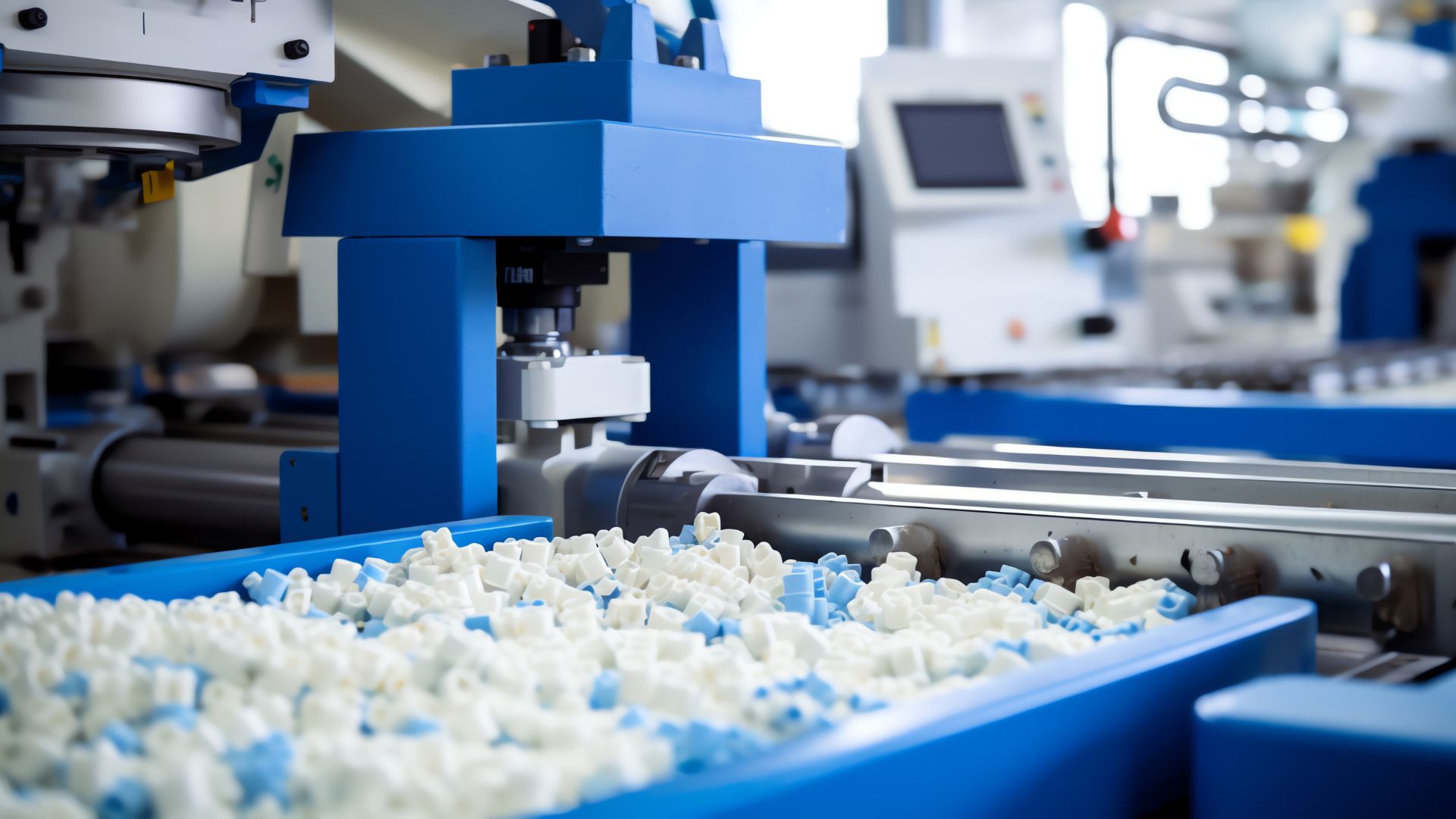
The use of masterbatch in injection molding provides several technical and economic advantages. These benefits are not limited to a specific type of masterbatch but apply broadly across filler, color, and additive systems.
Improved material consistency
One of the most significant advantages of masterbatch in injection molding is the ability to achieve homogeneous dispersion of additives. The pre-compounded nature of masterbatch ensures that pigments and functional agents are evenly distributed throughout the polymer matrix. This reduces variability in mechanical, thermal, and optical properties, leading to consistent product quality.
Enhanced process efficiency
Masterbatch in injection molding simplifies material handling and processing. Since additives are already incorporated into a carrier resin, the need for multiple feeding systems and complex formulations is minimized. This reduces setup time, lowers the risk of dosing errors, and improves overall process stability.
Furthermore, the use of masterbatch in injection molding can contribute to shorter cycle times in certain applications, as well-dispersed additives facilitate smoother melt flow and more efficient molding conditions.
Cost optimization
From an economic standpoint, masterbatch in injection molding enables cost savings through efficient additive utilization and reduced material waste. The concentrated form of masterbatch allows for precise dosing, minimizing excess usage of expensive additives.
In addition, the use of filler masterbatch within the broader framework of masterbatch in injection molding can significantly lower raw material costs by replacing a portion of the base polymer with lower-cost inorganic fillers.
Functional versatility
Masterbatch in injection molding provides a flexible platform for material customization. By selecting appropriate masterbatch formulations, manufacturers can enhance properties such as UV resistance, flame retardancy, electrical conductivity, and surface characteristics.
This versatility allows a single base polymer to be adapted for multiple applications, reducing the need for extensive material inventories and enabling more efficient production planning.
Applications Of Filler Masterbatch In Injection Molding
Applications of masterbatch in injection molding vary depending on the functional role of each formulation. In modern plastic processing, different types of masterbatches are selected not only to modify material properties but also to meet the technical, aesthetic, and economic requirements of specific applications.
Filler masterbatch is widely used in injection molding for products that require improved stiffness, better dimensional stability, and lower material cost. It is commonly applied in automotive interior components, household appliances, consumer plastic goods, electrical boxes, and other molded parts where rigidity and cost efficiency are important. By partially replacing virgin resin with mineral fillers, filler masterbatch helps manufacturers optimize production costs while maintaining acceptable performance for many standard applications.
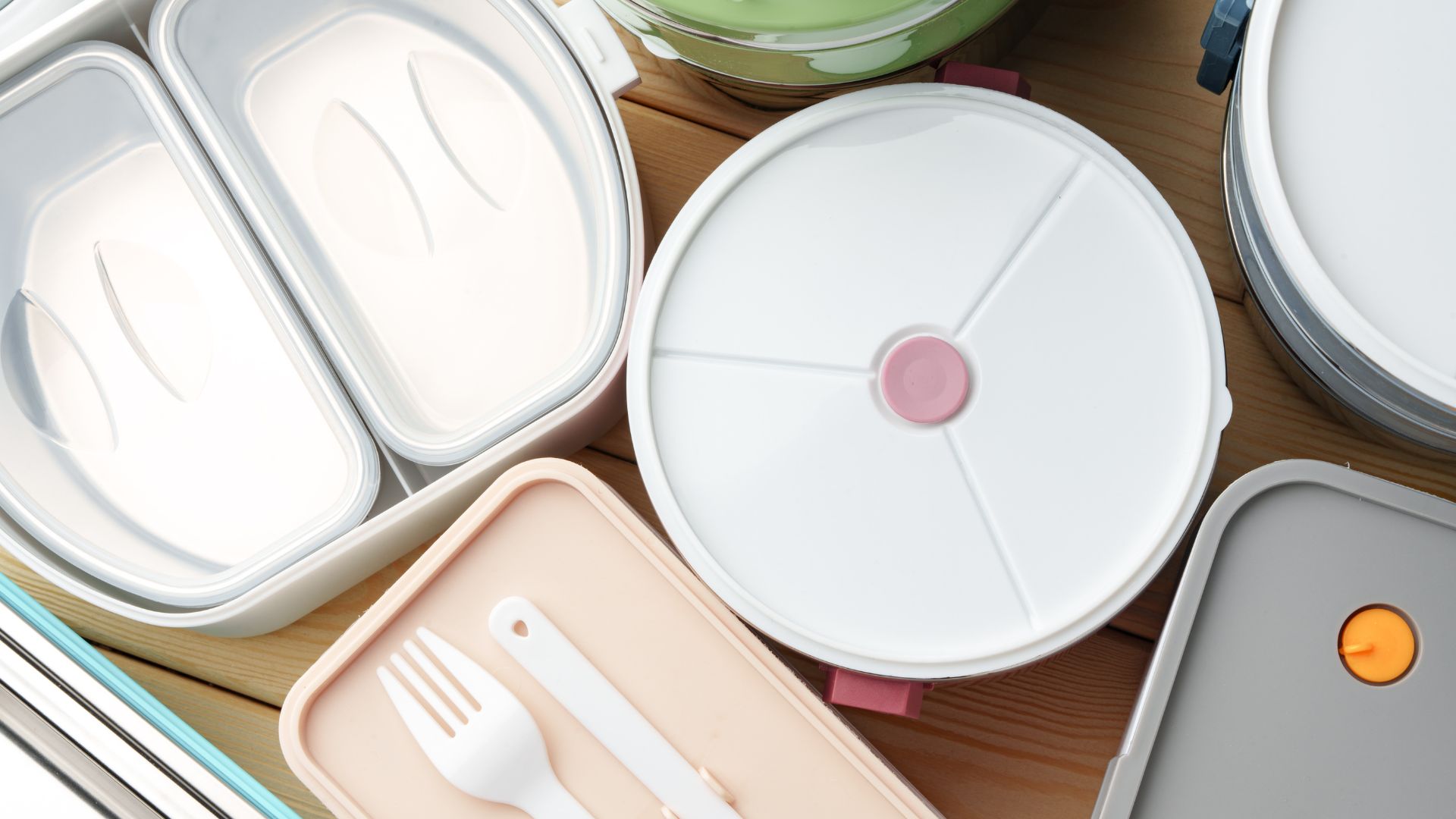
Color masterbatch is extensively used in injection molding for applications where appearance and color consistency are essential. It is commonly found in packaging, home appliances, consumer product components, and electronic housings. The use of color masterbatch allows manufacturers to achieve uniform coloration, accurate shade control, and cleaner processing compared with handling raw pigments directly. This makes it especially valuable in sectors where product aesthetics and batch-to-batch color stability play an important role.
Additive masterbatch is used in injection molding when plastic parts need additional functional properties beyond basic mechanical performance. It is often applied in outdoor products, electrical components, antistatic packaging, and molded items that require UV resistance, flame retardancy, or surface enhancement. Through the incorporation of specific additives in a controlled and uniform form, additive masterbatch allows manufacturers to tailor the final product to demanding service conditions and regulatory requirements.
How To Choose The Right Masterbatch
Selecting the appropriate masterbatch in injection molding requires a systematic evaluation of material compatibility, processing conditions, and end-use requirements. The choice of carrier resin is particularly important, as it must be compatible with the base polymer to ensure proper dispersion and adhesion.
The concentration and type of additives should be aligned with the desired performance characteristics of the final product. For example, applications requiring high stiffness may benefit from mineral-filled masterbatch, while those exposed to outdoor conditions may require UV-stabilized formulations.
Processing parameters, including temperature, pressure, and screw design, must also be considered when selecting masterbatch in injection molding. Different formulations may require adjustments to ensure optimal dispersion and prevent degradation.
Another critical factor is the loading ratio. While higher masterbatch loading can enhance certain properties or reduce costs, it may also affect mechanical performance and processability. Therefore, determining the optimal dosage is essential for achieving the desired balance between performance and efficiency.
Finally, quality, consistency, and supplier reliability play a crucial role. Variations in masterbatch composition can lead to inconsistencies in final products, making it important to source materials from reputable manufacturers with stringent quality control systems.
Conclusion
The use of masterbatch in injection molding represents a fundamental approach to modern polymer processing. By enabling precise control over material properties, improving process efficiency, and reducing costs, masterbatch in injection molding has become indispensable across a wide range of industries.
A comprehensive understanding of masterbatch types, benefits, and selection criteria allows manufacturers to optimize their production processes and achieve consistent, high-quality results. As material science and processing technologies continue to evolve, the role of masterbatch in injection molding will remain central to innovation and efficiency in the plastics industry.